The Necessity of Arborist Services for Tree Care: Discover Their Professional Offerings
Hiring an arborist is vital for successful tree management. Their expert understanding enables for accurate assessments of tree health, pest management, and proper pruning techniques. They also evaluate surrounding environmental conditions, tailoring care plans that promote the sustained health and safety of trees. Understanding the full range of services they offer will significantly affect the condition of your landscape. Examining their professional services shows how vital their involvement is in maintaining a thriving ecosystem.
What Does an Arborist Do
Although many may assume that tree care is a simple task, understanding the role of an arborist reveals a profession that encompasses much more than basic maintenance. Arborists are highly trained specialists who specialize in tree well-being and security. Their knowledge covers identifying tree ailments, knowing how to control pests, and ensuring ideal cutting practices to guarantee ideal growth.
They also consider environmental conditions that can affect tree health, such as soil quality and nearby plant life. They frequently perform hazard evaluations, especially in urban areas where trees may pose hazards to structures and individuals. Having expertise in tree life and local ordinances, arborists play a crucial role in promoting sustainable landscaping practices. Using sophisticated equipment and methods, they help keep up the attractive look and environmental harmony of green spaces. Therefore, the function of the arborist is vital for the long-term health and sustainability of trees.
Why Get a Professional Tree Checkup
If you have your trees inspected by a specialist, the benefits extend far beyond simple visual inspections. A comprehensive tree evaluation involves evaluating the overall health, structural integrity, and any hazards the tree might pose. Arborists employ specific equipment and methods to pinpoint issues including ailments, insect invasions, and structural weaknesses that cannot be seen by the average person.
In addition, specialized inspections give crucial insights into the specific needs of each tree, guaranteeing customized maintenance that promotes long-term health. This proactive approach helps in preventing potential complications, minimizing the chance of costly removals or property harm. Furthermore, accurate assessments enhance the security of the local area, as arborists can offer expert suggestions for care or necessary action. In conclusion, funding a professional tree assessment improves the lifespan and condition of trees, promoting a flourishing habitat.
Secure and Efficient Methods for Pruning Trees
Effective trimming is essential to keeping trees healthy and visual appeal. Certified trimmers utilize particular practices to guarantee that cuts are made safely and effectively, reducing harm to the tree. Understanding these methods can greatly enhance the longevity and vigor of trees in all settings.
Why Pruning Correctly Matters
Proper tree trimming is fundamentally important in preserving the vitality and beauty of trees. Proper pruning techniques aid in eliminating unhealthy or decaying limbs, enabling increased ventilation and light access, which is crucial for the overall vitality of the tree. In addition, careful trimming can enhance the tree's structure, minimizing the chance of harm during storms. In terms of appearance, well-pruned trees contribute to landscape beauty, offering a balanced look in residential and commercial settings (Florence Arborist). On top of this, correct trimming encourages healthy growth patterns and lessens the possibility of bug invasions. By employing the expertise of an arborist, tree owners can guarantee that their trees receive the appropriate attention, ultimately promoting longevity and strength in their foliage
Practices for Risk-Free Cutting
Correct methods for secure trimming are vital for optimizing tree vitality and ensuring the safety of both the tree and the person performing the work. Arborists emphasize the importance of employing sanitized, keen instruments to make precise cuts, which reduces the risk of injury and tree injury. Appropriate cutting practices feature the three-step approach for bigger boughs, which prevents tearing of the bark. It is also important to prune during the tree's inactive period to limit pressure. Arborists recommend removing less than a quarter of a tree’s foliage at once to prevent trauma. Additionally, comprehending growth habits and avoiding cuts close to the trunk preserves the tree's structural soundness and promotes healthy regrowth.
Diagnosing Ailments and Available Treatments
Pinpointing tree sicknesses calls for a sharp observation and a methodical process, as each ailment can present unique symptoms. learn the details Professional arborists employ their skill to pinpoint particular problems such as pathogenic fungi, bacterial diseases, and harmful pest activity. The process starts with checking foliage, bark, and roots, searching for color changes, drooping, or unusual growth patterns that suggest a difficulty
(Florence Arborist)After a diagnosis is reached, arborists recommend appropriate treatment options tailored to the specific disease. The care plan might encompass spraying anti-fungal or anti-insect agents, implementing proper watering techniques, or adjusting soil pH levels. In addition, they may advise on the importance of preserving the tree's general well-being through proper nutrition and care
The Value of Taking Down Trees and Grinding Stumps
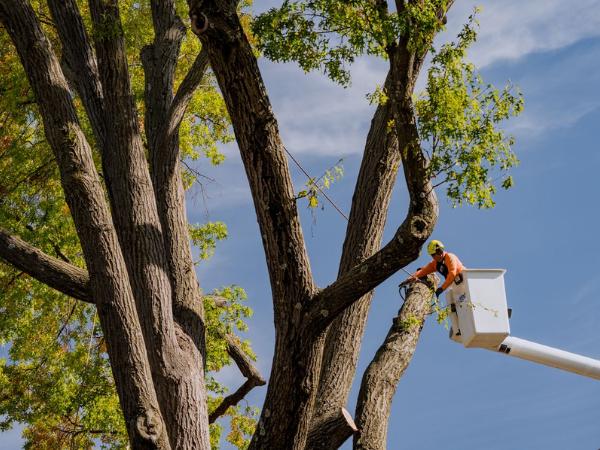
Tree removal and stump grinding are essential for ensuring security in outdoor spaces, as compromised or hazardous trees can present serious dangers. Additionally, eliminating stumps improves the look of the landscape and avoiding possible bug invasions. Understanding these factors underscores the importance of contracting an expert tree professional for effective tree care.
Safety Risks Assessment
Performing a comprehensive safety evaluation is vital when planning tree extraction and stump elimination. The assessment pinpoints possible dangers, such as unstable limbs, proximity to structures, and buried service lines. Arborists utilize their expertise to figure out the most secure method for tree extraction, securing the least amount of peril to property and individuals. Experts examine the health of the tree, nearby area, and weather conditions, all of which can influence safety during the removal process. In addition, stump grinding presents its own set of risks, including the possibility of physical damage from equipment or debris. A comprehensive hazard evaluation mitigates these risks, leading to safer and more effective completion of tree care services. Engaging a professional arborist makes certain every safety standard is carefully met.
Aesthetic Landscape Improvement
While maintaining a beautiful landscape boosts property value and curb appeal, the presence of dead or overgrown trees spoils the overall look. Removing trees is frequently essential for refreshing outdoor areas, allowing for better light penetration and better growth for nearby vegetation. Moreover, ugly stumps cause visual disruption and are a danger for tripping. Stump grinding offers a solution, which effectively eliminates the remains of cut trees and ensuring the landscape looks uniform. If you engage an arborist, homeowners can ensure that tree removal and stump grinding are performed safely and efficiently. Such professional skill doesn't just improve the look but also contributes to a healthier environment for existing plants, resulting in an outdoor space that is more attractive and welcoming.
Keeping Pests Away
An inviting outdoor space can rapidly be damaged by the presence of dead or decaying trees, which frequently become places where pests multiply. These infestations can lead to significant damage, damaging the trees themselves as well but also to nearby structures and plants. Hiring an arborist is crucial for identifying trees that pose a risk and deciding if removal is necessary. In addition, stump grinding removes possible pest environments left by uprooted trees, ensuring the landscape is better protected. Routine checks and preventative actions, such as tree removal and stump grinding, help maintain a healthy ecosystem, avoiding expensive pest problems. In the end, an experienced arborist ensures that your outdoor areas stay lively and free of pests, protecting both the environment and the beauty of the area.
Specialist Advice on Where to Place Trees and Design
Proper tree placement greatly boosts the beauty and the ecological health of an outdoor space. Arborists offer professional guidance on choosing trees that will flourish in particular settings, considering factors such as soil type, sunlight, and climate. They stress the necessity of adequate distance, so that trees have sufficient room to mature preventing competition for necessary resources.
Furthermore, arborists evaluate the landscape's complete design, suggesting where to place trees so they fit well with existing plants and structures. This strategic positioning not only improves visual harmony but also fosters a richer ecosystem by attracting various animals.
Moreover, they suggest how to position trees to form organic wind barriers and provide shade, boosting the energy savings for adjacent structures. Utilizing their specialized knowledge, landowners can foster environments which are attractive and long-lasting, ultimately leading to long-term satisfaction and better care for the environment.
Ongoing Maintenance and Care for Arboreal Well-being

Regular upkeep is vital for ensuring the long-term health and energy of trees in every environment. Tree specialists provide expert assistance that include regular inspections, pruning, and pest management, all aimed at promoting ideal growth and averting illness. Through checking the state of trees and the quality of the soil, they can identify potential issues before they escalate, saving homeowners time and money.
Regular trimming assists in preserving the tree's form and eliminating diseased or decaying wood, allowing for better air circulation and light penetration. Specialists further share knowledge on proper watering techniques and mulch application routines that boost the soil's richness. Moreover, they might propose feeding routines customized for particular types of trees, ensuring they receive the necessary nutrients.
Commonly Asked Queries
How should I go about picking the right tree specialist for My Needs?
To choose the right arborist, it is important to check qualifications, assess experience, read reviews, and ask for estimates. Furthermore, talking about your particular requirements confirms the hired specialist is consistent with your specific needs and necessary tree maintenance.
What Certifications Should I Look for in an Arborist?
While picking a tree specialist, you ought to seek credentials like ISA (International Society of Arboriculture certification), TCIA (Tree Care Industry Association accreditation), and regional permits, confirming the expert possesses the required knowledge and skill set.
How Often Should I Hire an Arborist for Maintaining My Trees?
It is recommended to hire a tree specialist annually for standard upkeep, though more frequent visits may be necessary for immature trees or those needing special attention, ensuring proper growth and longevity.
Can Arborists Help With Tree-Related Legal Issues?
Indeed, arborists provide support for legal problems involving trees (Florence Arborist). They offer professional evaluations, necessary paperwork, and court testimony about the condition, risk level, and upkeep of trees, helping resolve disputes related to property lines, liability, and local regulations effectively
What Can I Expect During the First Meeting With a Tree Care Expert?
At the start of the consultation, the arborist evaluates the condition of the tree, discusses concerns, offers suggestions, and outlines potential services. You can anticipate a thorough evaluation alongside expert advice tailored to their specific tree care needs.